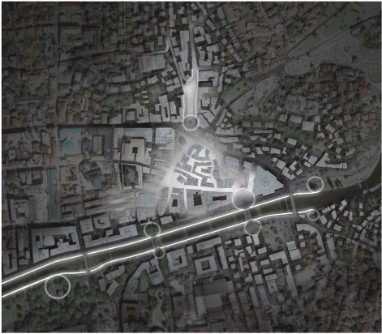
The Road as a Point of Connection Develop an urban plan that connects and unifies a selection of city pieces that are unconnected and require a connection. To do this through a series of proposals that acknowledge and give solution to issues specific to each, which then allow realization of the connection that the areas deserve.
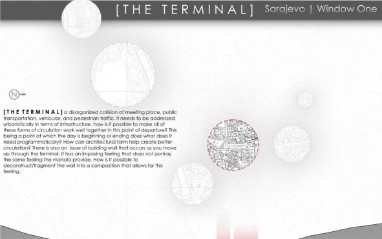
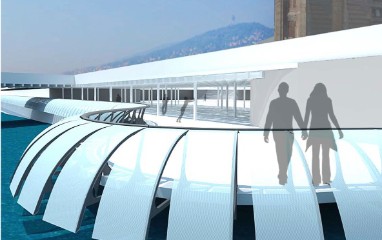
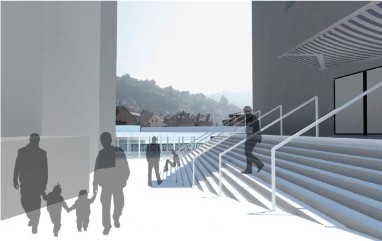
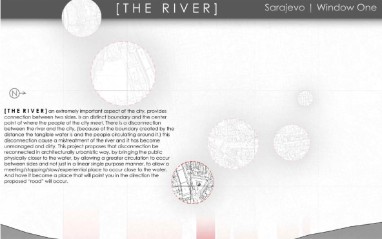
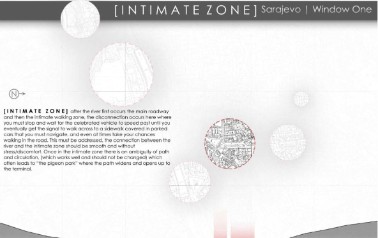
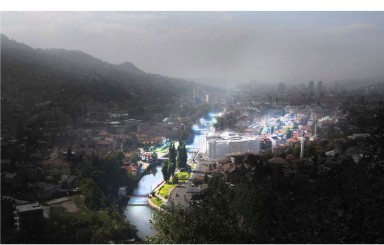
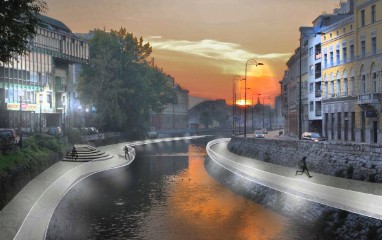
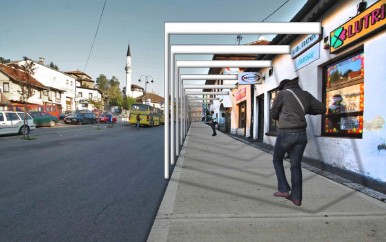
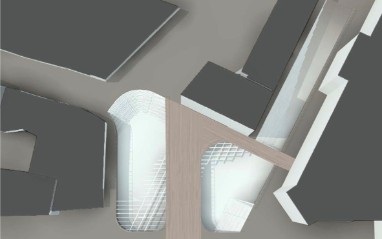
The River: an extremely important aspect of the city, provides connection between two sides. Is an distinct boundary and the center point of where the people of the city meet. There is a disconnection between the river and the city, (because of the boundary created by the distance the tangible water is and the people circulating around it.) this disconnection cause a mistreatment of the river and it has become unmanaged and dirty. This project proposes that disconnection be reconnected in architecturally urbanistic way, by bringing the public physically closer to the water, by allowing a greater circulation to occur between sides and not just in a linear single purpose manner, to allow a meeting/stopping/slow/experiential place to occur close to the water. And have it become a place that will point you in the direction the proposed “road” will occur. The Intimate Zone: after the river first occurs the main roadway and then the intimate walking zone, the disconnection occurs here where you must stop and wait for the celebrated vehicle to speed past until you eventually get the signal to walk across to a sidewalk covered in parked cars that you must navigate, and even at times take your chances walking in the road. This must be addressed, the connection between the river and the intimate zone should be smooth and without stress/discomfort. Once in the intimate zone there is an ambiguity of path and circulation, (which works well and should not be changed) which often leads to “the pigeon park” where the path widens and opens up to the terminal. The Terminal: a disorganized collision of meeting place, public transportation, vehicular, and pedestrian traffic. It needs to be addressed urbanistically in terms of infrastructure, how is it possible to make all of these forms of circulation work well together in this point of departure? This being a point at which the day is beginning or ending does what does it need programmatically? How can architectural form help create better circulation? There is also an issue of building wall that occurs as you move up through the terminal, it has an imposing feeling that does not portray the same feeling the mahala provide. How is it possible to deconstruct/fragment the wall into a composition that allows for this feeling. The Residential Zone: the end point, and the starting point. It has in infrastructural grid but also allows for a free movement and an understanding of where you are in the city. The proposal for this zone is the addition of meeting spaces that distinguish a composition that breaks away from the linearity of the street and gives new meaning to the courtyard in terms of public and private space. |
||
Travel Week Analysis: 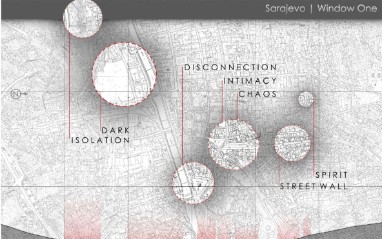
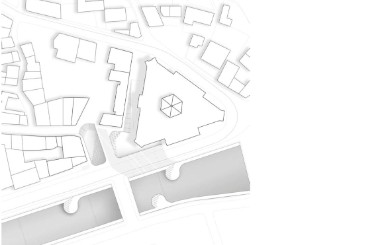
 Plans: 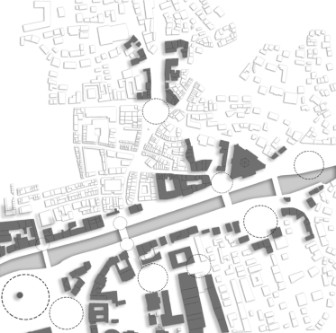
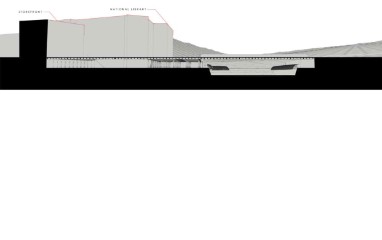
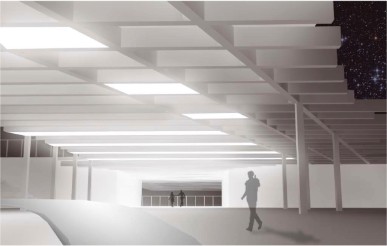
 Sections: 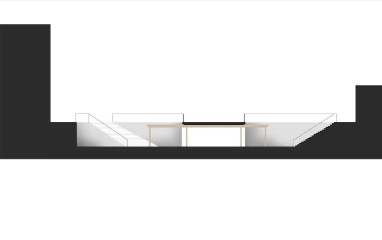 Perspectives: 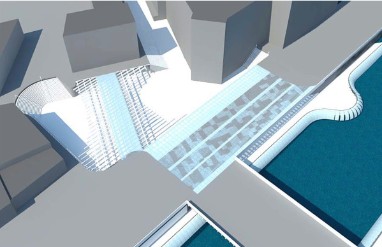
 Railing Detail: 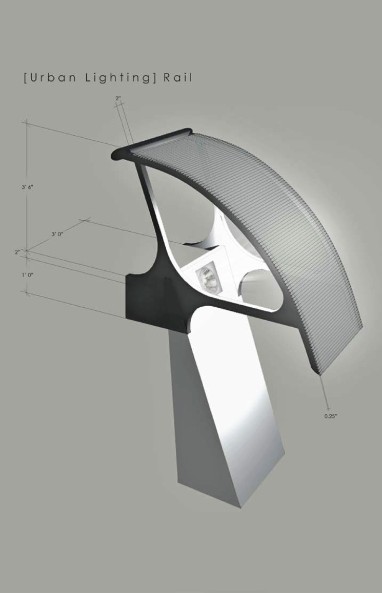 |
 |
|
